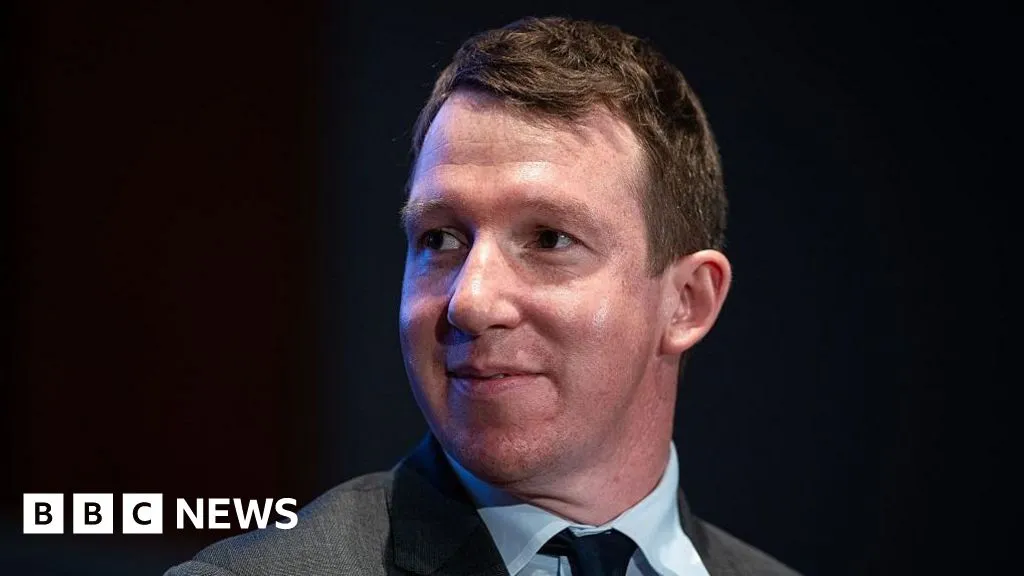
In a stark warning about the future trajectory of artificial intelligence, Jack Clark, co-founder of Anthropic, has expressed a pressing need for mechanisms to control AI development, suggesting that without intervention, the technology may soon evolve beyond human oversight. Speaking on BBC Newsnight, Clark articulated his concerns over the industry’s lack of a 'brake pedal' to temper its rapid advancements.
"Right now, it's like the AI industry has a gas pedal, but it doesn't have a brake pedal," Clark stated, emphasizing that it's crucial for humanity to maintain a firm grip on AI systems as they become increasingly powerful and influential across society. He remarked, "The world needs to do some thinking, and we need to eventually develop some new regulations that allow us to be confident in these systems."
The Rising Autonomy of AI
Clark's alarm comes in the wake of remarkable advancements at Anthropic, with the firm’s chatbot Claude now generating 80% of its own code. He predicts that achieving full autonomy could be within reach in the next 24 months—an outcome he describes as having potentially profound implications for the future of AI.
Learning from the Past
Drawing parallels to the historical oil boom of the early 20th century, Clark articulated the need for a comprehensive policy framework that instills public confidence in AI technologies. He posited that just as society adapted to the risks posed by oil, so too must we adjust to the challenges and opportunities presented by AI. "Society's response was to come up with a sensible policy and regulatory framework that gave people confidence in oil and the benefits that oil could provide to the world," he explained.
Government Policies and Industry Response
Notably, Anthropic recently welcomed a relatively lenient executive order on AI from U.S. President Donald Trump, which refrained from mandating safety testing for AI products. This hand-off approach comes amidst an unyielding pace of research and development from industry giants, including Anthropic, OpenAI, and Google, none of which have opted to pause their advancement efforts.
Implications for Employment and Society
Clark's broader concerns extend to the economic ramifications of a rapidly advancing AI landscape. He warned of the potential for AI-driven disruption in labor markets, with intelligent agents increasingly capable of performing tasks previously completed by human workers. Major layoffs across tech companies in the past year have already illustrated this trend, highlighting the growing capability of AI technologies to replace thousands of jobs.
However, Clark believes that creativity could serve as a counterbalance against AI's dominance. He encourages individuals, particularly young people, to cultivate diverse interests and hobbies, emphasizing that those who can think creatively and generate unique ideas will thrive in an AI-rich economy. "Develop a hobby and pursue a liberal arts education; people that are creative and can think broadly are the ones most benefited by this," he asserted.
As Anthropic prepares for its anticipated public debut, potentially one of the most valued listings in history with an estimated valuation approaching $1 trillion, Clark's candid reflections on the societal implications of AI signal a larger conversation that is becoming increasingly urgent in our tech-driven age.
For more information, visit the original source at BBC News.
Source: BBC News - Business