In a dramatic escalation of hostilities, US military forces launched airstrikes against seven Iranian fast boats in the strategically critical Strait of Hormuz, following a series of Iranian attacks on oil infrastructure in the United Arab Emirates. The ongoing confrontation has left shipping lanes perilously close to collapse, heightening fears of a broader conflict in a region vital to global energy supplies.
The latest incident unfolded as a Maersk-owned US-flagged vessel, the Alliance Fairfax, successfully navigated the tumultuous waters of the Strait with the protection of US naval assets under a newly instituted operation dubbed "Project Freedom." A Maersk spokesperson confirmed that the vessel's transit was completed without incident, ensuring the safety of all crew members aboard.
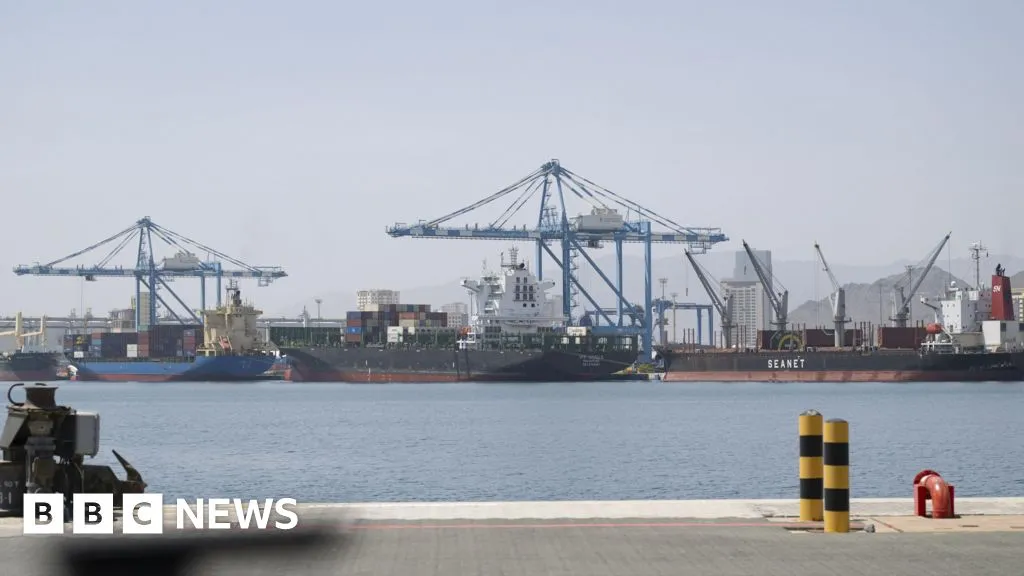
UAE authorities reported a striking incident at the Fujairah oil port, one of the region's largest oil storage facilities, where an Iranian attack triggered significant damage and a fire. This hostile action was met with widespread condemnation from international leaders, with French President Emmanuel Macron labeling the strikes as "unjustified and unacceptable." Meanwhile, British Prime Minister Sir Keir Starmer reaffirmed the UK’s commitment to supporting Gulf partners in defending against such threats.
In a stark reflection of the deteriorating geopolitical climate, Iranian Foreign Minister Abbas Araghchi remarked, "The events in the strait illustrate that there is no military solution to the political crisis at hand." Despite this, US President Donald Trump asserted that the Iranian assaults were indicative of a beleaguered military, declaring, "It's all they have left." Trump's administration reported the utilization of helicopters in the latest strikes, a claim that was contested by Iranian state media, which alleged that the attacks targeted cargo vessels, resulting in civilian casualties.
Iranian military officials have denied engaging in aggressive actions against the UAE, and the nation’s state media has claimed that its forces fired warning shots at a US warship in a separate encounter. This latest exchange of tensions marks a significant moment in a conflict that has simmered since airstrikes against Iran were conducted by the US and Israel earlier this year.
As the escalating tensions ripple through global markets, Brent crude oil prices surged past $115 per barrel following news of the attacks, highlighting how closely linked energy resources are to stability in the region. The Strait of Hormuz, through which approximately 20% of the world’s oil passes, has become a focal point of international maritime security and economic stability.
In a show of unity, Gulf nations are calling for increased vigilance, as the UAE's foreign ministry denounced the Iranian strikes and declared the right to respond. India's foreign ministry also voiced its concerns, confirming that three nationals were among those injured in the Fujairah attack, branding the assault as "unacceptable." With the future increasingly uncertain, many nations are calling for a return to diplomatic negotiations to avert further escalation and restore stability in this pivotal region.
Source: BBC News
Source: BBC News - Business