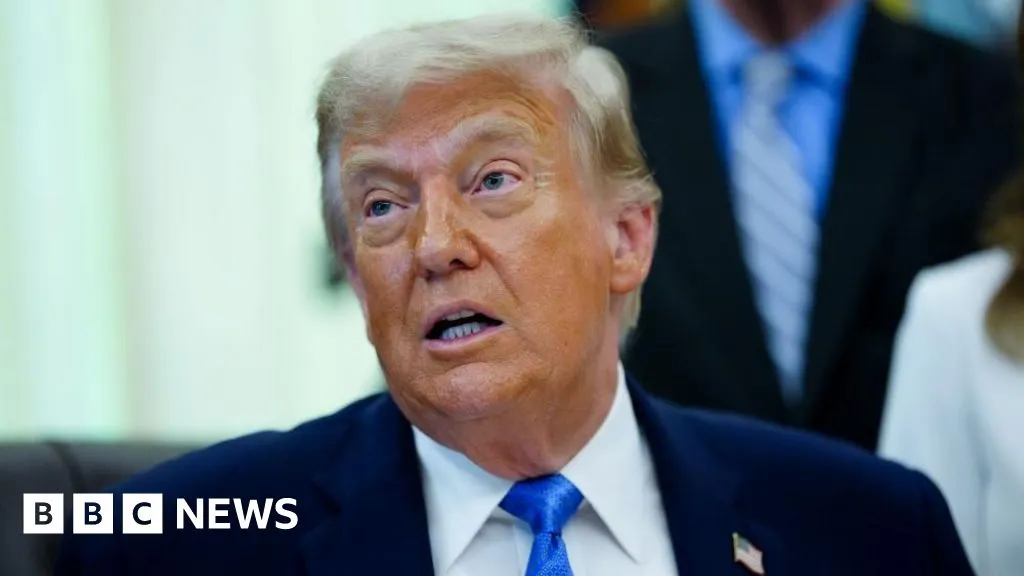
In a striking statement amid rising consumer prices, President Donald Trump declared his admiration for inflation as the U.S. grapples with its steepest price increases in three years. Speaking from the White House, Trump proclaimed, "I love it. The numbers were great," referencing the Bureau of Labor Statistics (BLS) report that noted a 4.2% rise in prices in May compared to the previous year, escalating from April's 3.8% increase.
This inflation surge has been heavily influenced by soaring energy costs, particularly resulting from the ongoing conflict between the U.S. and Israel against Iran. The geopolitical tensions have not only affected oil supplies but have also cast a shadow over American households, who are increasingly feeling the economic pinch from higher prices.
Impact of Rising Oil Prices
The recent spike in inflation marks the third consecutive month of increases, with households facing heightened financial stress as the Consumer Price Index (CPI) rises. Higher energy bills – including surges in gas and electricity – were nearly 25% above last year's rates, with gasoline prices climbing from $2.98 a gallon in February to an average of $4.15 in May, following military actions that have taken place against Iran.
Trump further highlighted U.S. military efforts, indicating that nighttime naval operations had successfully extracted millions of barrels of oil from Iranian waters, contributing to a slight decrease in oil prices. However, the benchmark Brent crude oil remains well above pre-war levels, exacerbating concerns over inflation's trajectory.
Challenges Ahead for the Federal Reserve
The rising inflation figures cast a long shadow over upcoming midterm elections in November and place pressure on the Federal Reserve to consider interest rate adjustments. Historically, when inflation outpaces target levels – the Fed's ideal is 2% – the central bank typically opts for rate increases to mitigate economic overheating.
Kevin Warsh, recently appointed as the Fed's governor, will face his first significant decision next week amid warnings that sustained higher inflation could prompt rate hikes. Economists suggest that while May's data offers a glimpse of the economy's challenges, it does not yet solidify a compelling case for immediate action.
A Closer Look at Future Predictions
Despite the current turmoil, Trump has projected confidence, asserting that inflation will "come down like a rock" once the conflict concludes. He suggested that the price of petrol might return to approximately $1.85 per gallon, reminiscent of earlier figures before the conflict escalated, promising Americans a swift return to more manageable costs.
As inflation continues to rise, so do the stakes for the U.S. public, setting the stage for a politically charged atmosphere as citizens head to the polls amidst financial uncertainty. Economists warn, however, that a swift resolution to the Iran conflict may remain elusive, with normalcy in oil shipping potentially lingering until 2027.
As the situation develops, Americans and policymakers alike will be watching the economic indicators closely, aware that the implications of inflation are far-reaching and profound.
Source: BBC News
Source: BBC News - Business