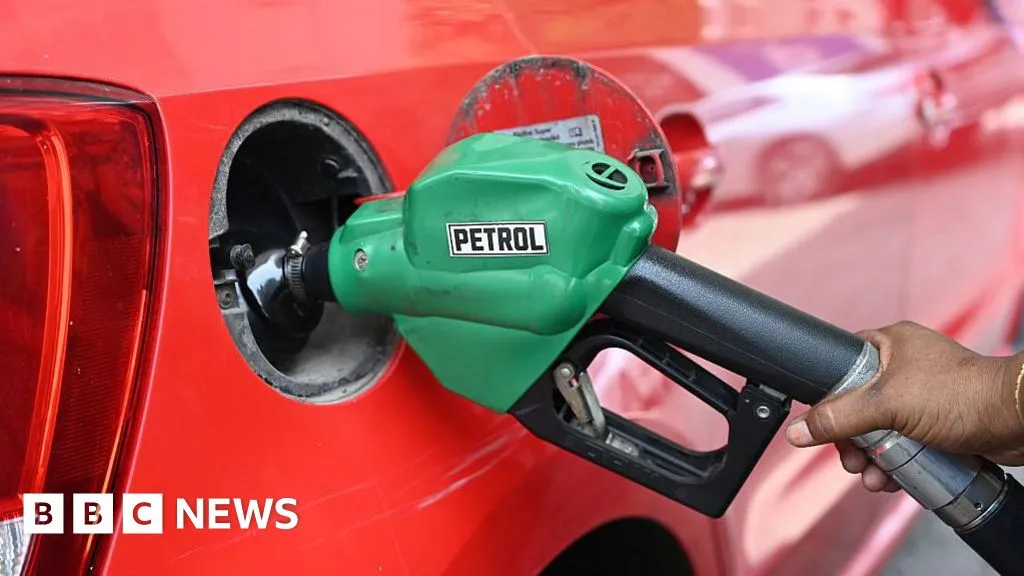
In a significant market reaction to potential diplomatic breakthroughs, global oil prices have sharply declined as optimism swells that a peace deal between the United States and Iran could soon be finalized. Following a turbulent period sparked by escalating tensions, a renewed focus on negotiations has begun to ease fears surrounding energy supply disruptions.
During a recent visit to India, US Secretary of State Marco Rubio noted that negotiators have established a "pretty solid" framework for discussion, with an agreement possibly in the works for announcement as early as Monday. This optimism has driven the benchmark Brent crude price down by 5.5%, trading at $97.90 a barrel, while US crude futures slipped 5.9% to $90.93. Such price movements reflect a broader recovery in Asian equity markets as investors react positively to the prospects of stability.
Former President Donald Trump has hinted that the anticipated agreement may lead to the reopening of the strategically vital Strait of Hormuz, a waterway responsible for transporting approximately 20% of the world's oil and liquefied natural gas. This narrow passageway has been effectively closed since the onset of renewed hostilities on February 28, raising fears over global energy supplies.
Despite the progress, Trump emphasized caution, instructing negotiators to take their time and carefully finalize the details. His recent communications reflect a diplomatic engagement with leaders across the Gulf region, suggesting that multiple nations are encouraged by the efforts toward peace. “We are close, but there must be no mistakes,” Trump asserted in a social media post over the weekend.
On the Iranian side, Foreign Ministry spokesperson Esmaeil Baqaei acknowledged a feeling of convergence in positions but cautioned that substantial disagreements remain, casting a shadow over the negotiation process. Evidence of the Iranian government's commitment to pursue peaceful resolutions is fueled by their awareness of the global implications of prolonged conflict.
Amid increased geopolitical security concerns, analysts from various fields express a tempered optimism. Saul Kavonic, head of energy research at MST Financial, remarked, “There is now some light at the end of the tunnel,” yet warned that even optimistic scenarios would not stabilize oil markets immediately due to the extensive damage inflicted by the ongoing conflict. Rebuilding supply chains and normalizing oil flow through the Strait is expected to be a labor-intensive process, potentially extending well into 2027.
The ripple effects of these developments have already begun to manifest in global affairs, as the Nikkei 225 index in Japan surged above 65,000, reflecting a 3% gain fueled by hopes for an imminent reopening of the Strait of Hormuz. Both Japan and South Korea are particularly invested in these negotiations, given their heavy reliance on energy imports from the Gulf.
As the world watches closely, the stakes remain high. The culmination of ongoing talks could significantly impact both energy sectors and international relations moving forward. Yet, despite the present optimism, financial and energy markets in both the UK and US will take a pause on Monday due to public holidays, leaving investors to contemplate the potential outcomes of these pivotal negotiations.
Source: BBC News
Source: BBC News - Business