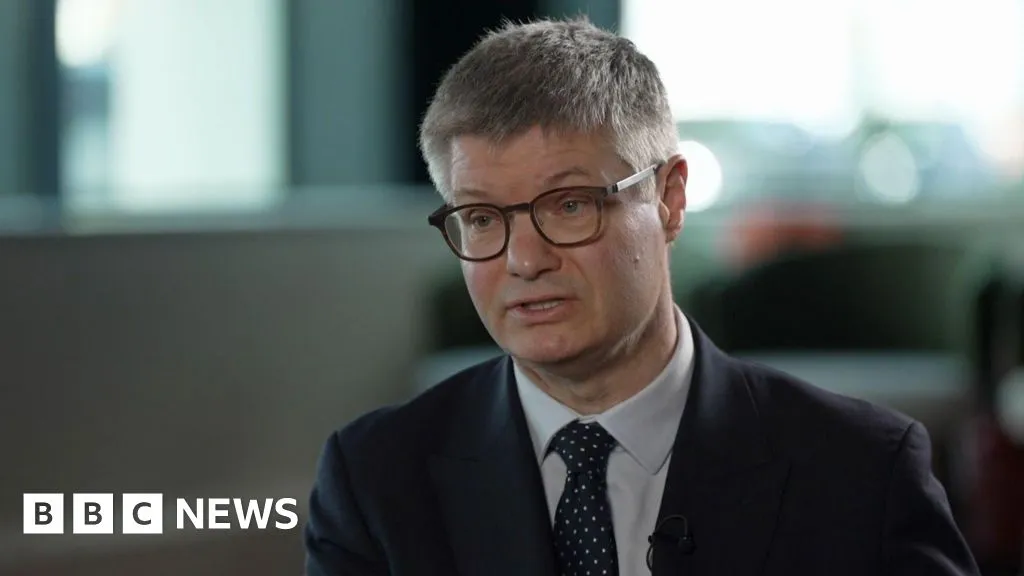
In a stark warning about the state of the UK job market, Lord Wolfson, CEO of retail giant Next, has highlighted a 'dramatic fall' in entry-level job opportunities, with rising youth unemployment reaching alarming levels. Speaking to the BBC, he revealed that the number of applicants for a single role has surged to 19, nearly doubling from just two years ago when the figure stood at 10.
“This doubling of applicants for shop jobs is indicative of how significant the crisis in youth unemployment is at the moment,” Lord Wolfson remarked, casting a spotlight on an escalating issue that has made it increasingly challenging for young people to secure their first jobs.
Government's Proposed Changes in Labour Contracts
As the government moves toward implementing a ban on zero-hours contracts next year—a measure it deems essential for worker protection—Lord Wolfson cautioned that such legislation could complicate the hiring process for many employers. These contracts, labelled 'exploitative' by the government, aim to provide a more stable and predictable working environment; however, the CEO warns they may inadvertently impose hurdles for companies looking to expand their workforce.
“Youth unemployment is really a symptom of wider problems with employment in the economy,” he continued. “If there are fewer jobs available, it is the least experienced—our youth—who suffer the consequences.”
Economic Challenges and Policy Disputes
In his capacity as a Conservative peer, Lord Wolfson also urged the government to reconsider recent hikes in National Insurance rates and minimum wage increases, citing these financial pressures as detrimental to businesses striving to create job opportunities. Nevertheless, a Treasury spokesperson defended the national minimum wage increase, noting that it has benefitted over 200,000 young workers and stressing that lowering wages during a time of global uncertainty is not a viable solution.
The spokesperson also highlighted a £2.5 billion youth employment support package aimed at generating one million job opportunities nationwide, further complicating the narrative around economic growth and youth job creation.
The Struggles of High Street Retailers
As young people often turn to high street retailers and hospitality businesses for their first employment experiences, Next's challenges are reflective of broader issues facing the sector. With rising taxes and minimum wage obligations weighing heavily on operational costs, many retailers—including Next—have reported downsizing in their workforces.
Lord Wolfson revealed that the company's increased wage bill, which has soared by £70 million annually, has compelled them to adopt more automation and technological solutions, such as self-scanning lockers, to maintain efficiency without expanding staff numbers. “”
Next's Resilience and Corporate Responsibility
Despite the hurdles, Next has successfully adapted, evolving into a retail success story while many of its competitors have faltered. The company has expanded through strategic acquisitions and continues to employ more than 30,000 people across its various business segments. Recently, Next raised its full-year profit expectations to £1.2 billion, representing a 6.2% sales increase in Q1.
However, Lord Wolfson firmly opposed any suggestions that profit maximization comes at the expense of employee welfare. He emphasized the importance of profitability for the sustainability of the business, stating, “If you don’t run a business for profit, you simply don’t stay in business.” He cautioned that impediments introduced by new legislations could further strain operational capacity.
As the job market continues to shift, the conversation surrounding youth unemployment will be vital as businesses and policymakers work to forge a path toward sustainable growth and job creation.
Source: BBC News
Source: BBC News - Business