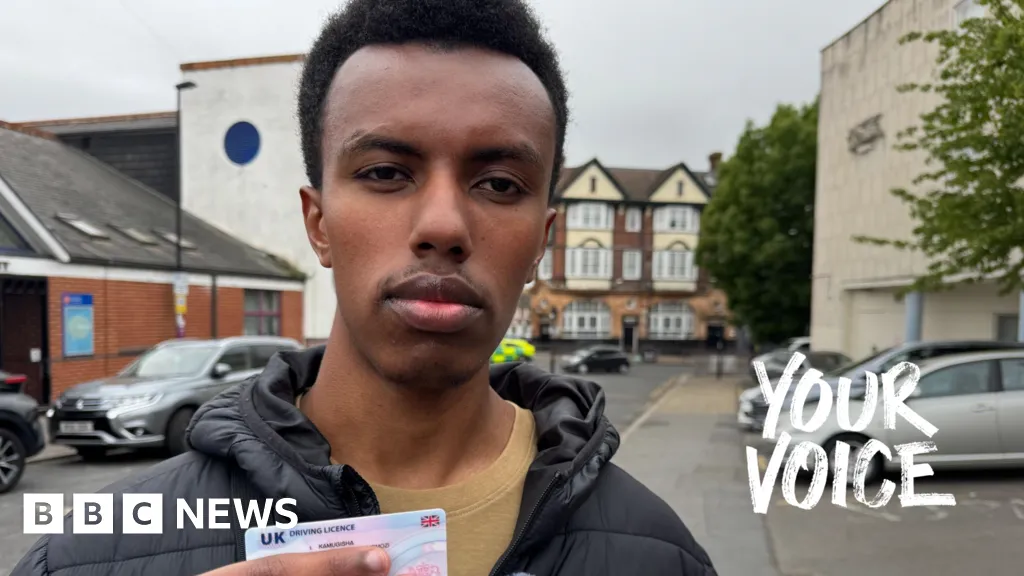
In a bid to eliminate rampant exploitation within the driving test scheme, the UK government has rolled out stringent regulations targeting resellers who have profited at the expense of learner drivers. One such case involved Robert Kamugisha, a 21-year-old criminology student from Croydon, who forked out £726 to bypass a staggering waiting list, seeking a faster route to his driving test.
Faced with an agonizing wait that could stretch for months, Robert made the difficult decision to purchase test slots through third-party resellers known for inflating prices significantly. What should have cost him a mere £62 escalated to exorbitant fees as he was handed the option to schedule his tests earlier—at a cost he describes as feeling akin to a scam.
"I felt desperate; that’s why I paid almost £1,200 in total when you include additional fees for using my instructor's car," Robert lamented after finally passing on his third attempt in December. "The expense was crazy and disheartening."
The government now seeks to halt these practices with new laws stipulating that only learner drivers themselves can book their driving tests, closing a loophole that allowed unauthorized third parties to exploit vulnerable candidates. This initiative specifically targets the automated bots that flood the booking system, snatching up available slots to resell at astronomical prices, a scheme that has proliferated alongside unprecedented waiting times.
Recent statistics from the Driver and Vehicle Standards Agency (DVSA) highlight the severity of the situation. As of April 2026, the average waiting period for a practical driving test stood at 22.3 weeks across Great Britain, with delays varying slightly by region. Learner drivers in England face waits of about 22.7 weeks, while those in Scotland wait approximately 22.9 weeks, and Wales sees a marginally shorter average of 17.3 weeks.
Driving instructors have noted a surge in demand for earlier test slots, giving rise to an underground market that exploits the high-pressure environment these delays create. Sophie Stuchfield, an instructor from Watford, has reported receiving thousands of unsolicited messages advertising driving test appointments for exorbitant prices. "I’ve had over 3,300 messages offering tests for sale; many times, these offers come from fellow instructors, which is appalling," she stated.
Sophie categorized the black market as an alarming trend thriving on the growing frustrations of learner drivers who feel they have no choice but to comply. Despite her competitors charging additional fees for using their vehicles on test days, Sophie has refused to succumb to such practices, stating, "I believe it’s unjust to charge extra during a moment as stressful as this one for learners."
The recently implemented laws aim to put an end to such unethical practices, criminalizing any sales or transfers of test bookings without direct involvement from the learner driver. The government is now hopeful that these measures will restore fairness to the driving test system, ensuring that every candidate has equal access to this crucial step toward independence.
In tightening their grip on this wavering market, authorities hope to safeguard learner drivers, curbing the influence of third-party resellers that have managed to entangle so many desperate candidates in a web of inflated costs and anxiety.
Source: BBC News - Business