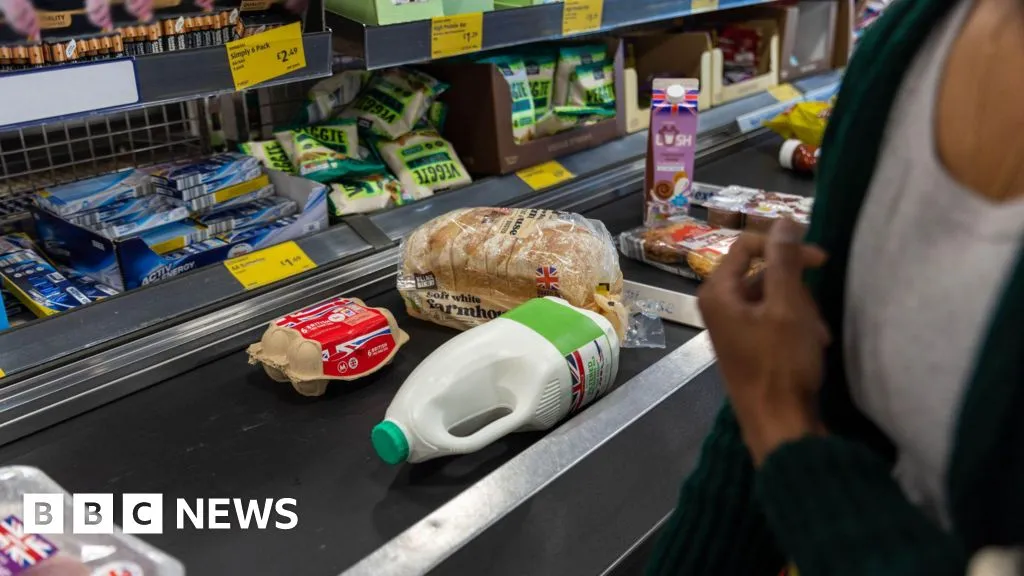
The UK government is urging supermarkets to impose voluntary limits on food prices in a bid to mitigate the rising cost of living that has left many families struggling. Key grocery items, including eggs, bread, and milk, are at the center of this proposed initiative as the nation grapples with ongoing inflationary pressures.
According to sources within the retail industry, the Treasury has suggested that a temporary freeze on price increases could be facilitated in exchange for easing specific regulatory burdens on retailers, including packaging policies and forthcoming rules regarding healthy food promotions.
A Controversial Proposal
The British Retail Consortium (BRC), representing the interests of supermarkets, warned that such voluntary price caps could compel retailers to sell essential items at a loss, calling the strategy reminiscent of outdated price controls from the 1970s. One retailer described the initiative as a sign of desperation from the government, suggesting instead that reducing tax burdens would be a more effective strategy to lower prices.
A Treasury spokesperson, however, affirmed the government's commitment to supporting families by addressing the cost-of-living crisis, mentioning that more details regarding the proposal would be released soon.
Influence of Market Forces
The context for this intervention includes a 3.7% increase in food prices, with overall inflation pegged at 3.3% as of March. Industry experts have cautioned that food inflation rates could soar to nearly 10% by the close of the year, in part due to escalating costs in supply chains driven by geopolitical unrest, including the recent US-Israel conflict affecting transit routes crucial for fertilizers and animal feed.
Moreover, the rising national living wage and increased national insurance contributions have added significant pressures to retailers, complicating their ability to manage prices effectively.
Helen Dickinson, CEO of the BRC, highlighted that fierce competition among supermarkets had already contributed to competitive pricing, but the combination of higher energy costs and domestic economic policies posed overwhelming challenges.
As discussions evolve, the pressure mounts on retailers to balance operational costs with the affordability of everyday staples for consumers navigating these economically turbulent times.
This initiative follows a similar pledge made by the Scottish National Party (SNP) last month, which proposed mandatory price caps in Scotland.
As the debate continues, the government and the BRC remain at odds over the best path forward to ensure that essential groceries remain accessible to the UK public.
Source: BBC
Source: BBC News - Business