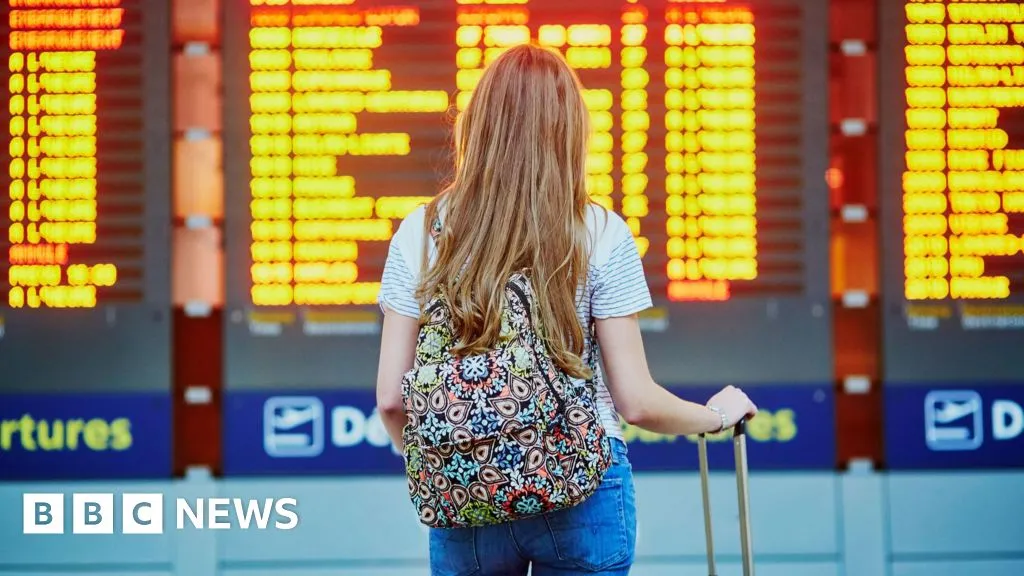
In a significant blow to travel plans worldwide, airlines have canceled approximately 13,000 flights in May as the relentless rise in jet fuel prices continues to impact the aviation sector. With nearly two million seats eliminated from schedules, the surge in costs is largely attributed to ongoing geopolitical tensions in the Middle East, particularly stemming from the Iran conflict.
According to aviation analytics firm Cirium, major European hubs such as Istanbul and Munich have witnessed the highest reductions in flight numbers. The timing of these cancellations is particularly concerning, as they precede the UK half-term holidays, traditionally a high-demand travel period.
Airlines are generally hesitant to cut flights due to the potential loss of valuable take-off and landing slots at busy airports. However, the UK government has introduced new contingency measures that alleviate some of these concerns, allowing airlines to cancel flights at popular airports like Heathrow without the risk of losing their slots.
As fuel prices have skyrocketed—more than doubling since the onset of the conflict—airlines are grappling with both the financial implications and operational challenges. Jet fuel was trading at $831 per tonne in late February, soaring to a staggering $1,838 by early April. While airlines assert that they are not currently facing supply issues, experts caution that ongoing disruptions in fuel delivery could result in significant shortages in the weeks ahead.
Several carriers, including Air France, KLM, Air Canada, Delta, and SAS, have already adjusted their summer schedules, with Germany's Lufthansa announcing plans to cancel 20,000 flights through the end of October. The International Energy Agency (IEA) has warned that Europe could face jet fuel shortages by June unless additional supplies are sourced swiftly.
In response to these dire circumstances, UK Transport Secretary Heidi Alexander has indicated preparations are underway to ensure smoother travel experiences this summer, similar to those of the previous year. "There is currently no disruption to the supply of jet fuel, but this clearly is an evolving situation," Alexander noted, underscoring the importance of adaptability.
The UK typically relies on imports for approximately 65% of its jet fuel, with a significant share originating from the Middle East. However, the strategic closure of the Strait of Hormuz—a vital route for oil and liquefied natural gas—has hampered these imports further, prompting scrutiny on the overall stability of fuel supplies for the summer holiday season.
The implications of jet fuel shortages on international air travel are being felt acutely, as airlines navigate the precarious landscape and travelers brace for a summer of uncertainties.
For more information on this developing story, visit the BBC News.
Source: BBC News - Business