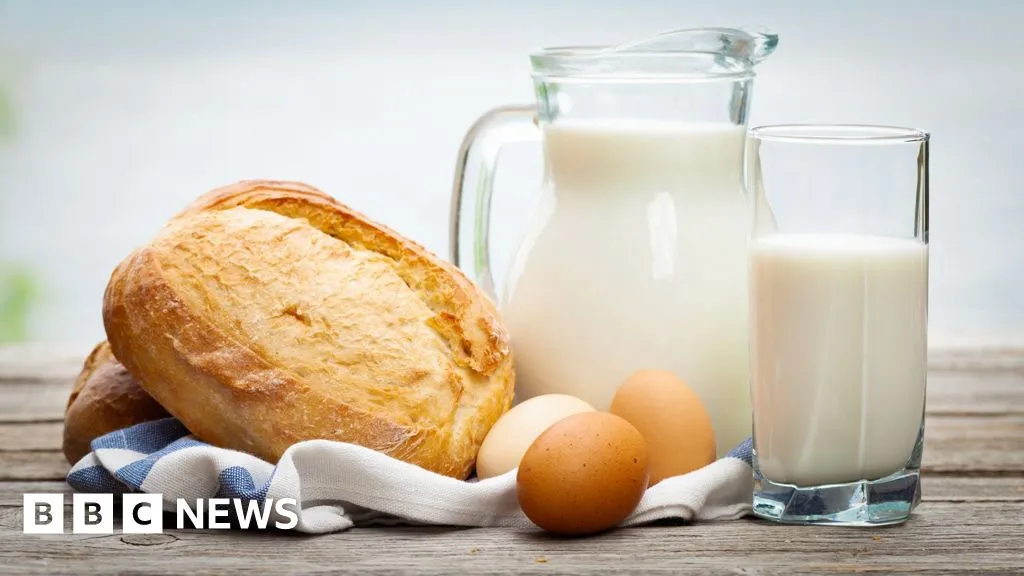
The price tag for basic grocery staples has surged in recent years, leaving many shoppers reeling. Six supermarket-brand free-range eggs, which cost just £1 in 2022, now command a startling £1.80—a stark reminder of the escalating costs burdening consumers.
Egg Prices Skyrocket Amid Supply Disruptions
According to data from market researchers Assosia, skyrocketing egg prices are largely a consequence of multiple challenges in the agricultural sector. The UK experienced its worst avian flu outbreak between 2021 and 2023, resulting in the culling of millions of hens. The stark reduction in laying hens, coupled with rising energy expenses tied to mandated indoor housing for the remaining birds, has created widespread shortages. Supermarkets responded with purchase limits, while producers and retailers raised prices to mitigate their financial losses.
Impact of Global Conflicts on Grain and Energy Costs
Additionally, the cost of grain, a primary feed source for poultry, has surged due to geopolitical turmoil, particularly the conflict in Ukraine that began in 2022. This, combined with rising energy prices amplified by ongoing tensions in the Middle East, has put further pressure on consumers as demand for eggs continues unabated, fueled by the popularity of high-protein diets.
Milk Prices Driven by Energy Costs
Milk, another staple of the British diet, has also seen a staggering increase, with the price of four pints of semi-skimmed rising from £1.29 in 2022 to £1.65 today. Dairy production, known for its high energy consumption during milking, processing, and transportation, has been significantly affected by rising energy costs linked to the war in Ukraine. Despite a global oversupply that has eased spikes in milk prices, dairy farmers report receiving 25% less per litre, forcing many into unsustainable losses.
Rising Bread Prices and a Competitive Landscape
Similarly, the cost of a basic loaf of bread has crept up from 65p to 74p in major supermarkets. Though the immediate inflationary effects of the Ukraine war on wheat prices have stabilized, recent conflicts in other regions have raised new fears about global supply chains. Danni Hewson, head of financial analysis at AJ Bell, highlighted that the perfect storm of escalating costs—from raw materials and energy to labor and changing packaging regulations—continues to ripple through the industry.
The Profiteering Debate
It's hard to ignore the apparent disparity between rising retail prices and supermarket profits. Between 2020 and 2024, sales at the UK’s major supermarkets soared from £130 billion to approximately £160 billion. However, after accounting for sales and operating expenses, profit margins for these retailers have not substantially increased. Many consumers are left questioning whether supermarkets are unduly profiting from the current economic climate.
The combination of soaring input prices and static profit margins paints a complex picture of the grocery landscape in the UK. As inflation continues to outpace wage growth, the impact on households is palpable, prompting further scrutiny of not just food pricing but the entire grocery supply chain.
In a world where the essentials are becoming increasingly unaffordable, the question remains: How will consumers navigate their shopping lists amidst these rising costs?
Source: BBC News - Business