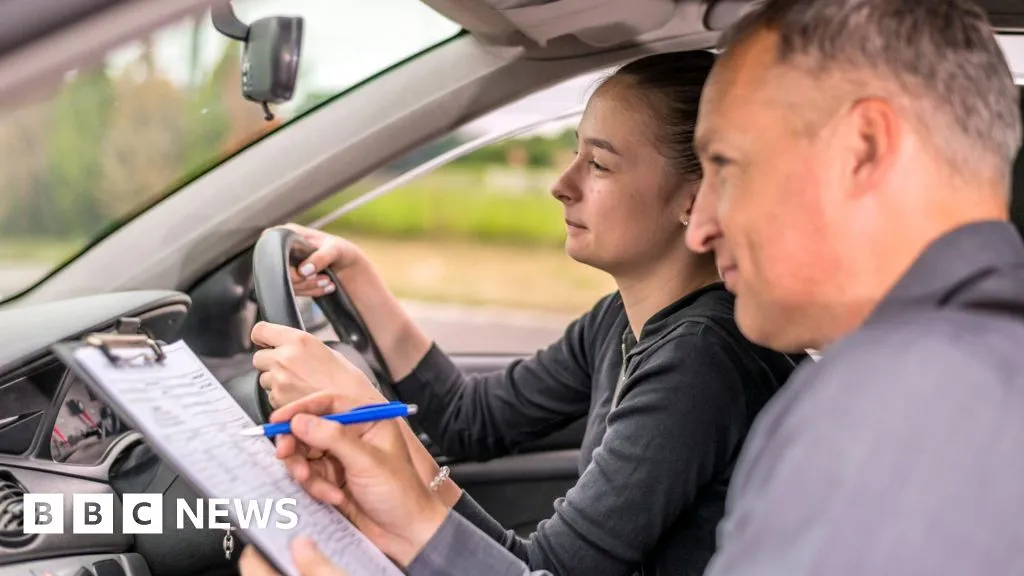
In a disappointing announcement for aspiring drivers, the UK’s Transport Secretary revealed that the ambitious goal of reducing driving test wait times to seven weeks will not be achievable until autumn 2027. Presently, learners are facing an average wait of nearly 22 weeks to secure a test appointment, highlighting a significant backlog that shows no sign of swift resolution.
Last November, Transport Secretary Heidi Alexander introduced a series of reforms targeted at streamlining the test booking process. These changes included stringent measures to restrict bookings to learners only, a tactic aimed at curbing the rampant resale of test slots at inflated prices. Alexander's timeline had initially envisioned reducing the wait time from a pre-pandemic average of five weeks to seven weeks by the end of 2025, but that target was subsequently pushed to summer 2026. Now, however, she admits that even this revised goal is unattainable.
During a committee meeting with MPs on Wednesday, Alexander expressed her awareness of the frustrations felt by many learners, acknowledging that despite significant efforts from the government, “demand is still very high” and there remains substantial work ahead to alleviate the pressure on the system.
Frustrated learner drivers have reported the arduous task of booking tests, often leading them to resort to purchasing slots from resellers. A BBC investigation revealed a troubling trend where driving instructors were reportedly offered kickbacks to share their login details with individuals hoping to profit from the scarcity of available test appointments.
In response to these challenges, a number of reforms have been rolled out recently. As of the end of March, new restrictions limit changes to booked slots—only two amendments can now be made, whether concerning the date or test centre. Furthermore, since May, only learners themselves have been permitted to book tests, effectively barring instructors from assisting in this process. Additionally, starting June, alterations must be confined to the three nearest test centres, aimed at preventing learners from snapping up convenient slots before relocating their tests.
Reflecting on the impact of these changes, Alexander stated it was still too early for comprehensive conclusions but highlighted an encouraging 70% decline in speculative booking swaps since the reforms were implemented. “My aspiration is to reach a point where booking a test does not entail enduring a lengthy wait, which remains the reality for many in various areas,” she remarked.
Another pressing issue has been the recruitment and retention of driving examiners. Alexander noted a net increase of 147 driving examiners within the year leading up to May, depicting a slow but positive trend. Additionally, she acknowledged the need for clearer statistics on average wait times, promising a more detailed breakdown by individual test centres in future reports.
As the situation unfolds, the focus remains squarely on effectively managing what has become a pressing issue for learners across the UK, while balancing the demands of a growing population with the logistical challenges of driver education.
Source: BBC News - Business