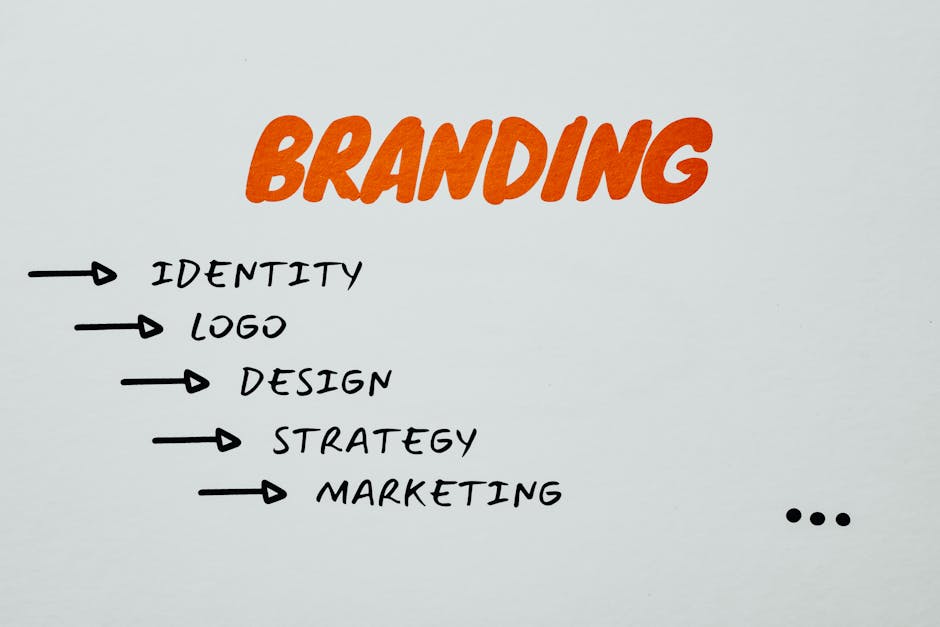
In today's competitive marketplace, a strong brand identity is not just a nice-to-have; it's essential for any business looking to stand out and connect with its audience. A well-defined brand identity encompasses everything from your logo and color palette to your messaging and customer interaction. This step-by-step guide will walk you through the crucial elements of building a robust brand identity that resonates with your target market.
Understanding Brand Identity
Brand identity is the collection of all elements that a company creates to portray the right image to its consumer. It includes visual aspects like your logo, typography, and color scheme, as well as the tone of your communications and the values you embody. According to a Forbes article, a strong brand identity can significantly influence consumer perception and loyalty, making it a critical factor for long-term success.
Step 1: Define Your Brand Purpose and Values
The foundation of your brand identity lies in understanding your brand's purpose and core values. Ask yourself: What does your brand stand for? What problems are you solving for your customers? For example, Patagonia is not just a clothing company; it stands for environmental sustainability, which is evident in both its marketing and business practices. Clearly articulating your brand's values will guide all subsequent branding efforts.

Step 2: Conduct Market Research
Understanding your target audience and competitors is crucial in shaping a compelling brand identity. Conduct surveys, interviews, and focus groups to gather insights about consumer preferences and perceptions. Analyze your competitors to see how they approach their branding. Tools like Google Trends and social media analytics can provide valuable data on market dynamics. The Statista Market Research platform offers extensive resources for understanding market trends and consumer behavior.
Step 3: Develop Your Unique Value Proposition (UVP)
Your Unique Value Proposition is the statement that clearly outlines how your product or service benefits customers and differentiates you from competitors. A well-crafted UVP should be concise and resonate with your audience's needs and desires. For instance, Nike's UVP—“To bring inspiration and innovation to every athlete in the world”—is both aspirational and inclusive, appealing to a broad audience.
Step 4: Create Visual Elements
Visual identity is a critical aspect of brand identity, as it encompasses the logo, color palette, typography, and overall design aesthetics. Your logo should be simple, memorable, and reflective of your brand values. Consider the color psychology; for example, blue often conveys trust and professionalism, while red can evoke excitement and passion. Companies like Apple have mastered minimalistic design to represent sophistication and innovation.
Step 5: Develop a Brand Voice
Your brand voice is how you communicate with your audience across various channels. It encompasses tone, style, and language. For example, a legal firm might adopt a formal and authoritative voice, while a lifestyle brand might opt for a more casual and friendly tone. Consistency in brand voice helps in building recognition and trust. Brands like Mailchimp have successfully cultivated a quirky, approachable voice that aligns with their fun and user-friendly service.
Step 6: Craft Your Brand Story
Your brand story is a narrative that encapsulates the essence of your brand, including its history, mission, and values. A compelling story can create an emotional connection with consumers. For instance, TOMS Shoes uses its brand story to highlight its commitment to social responsibility by donating a pair of shoes for every pair sold. This narrative not only embodies the brand’s values but also engages customers on a deeper level.
Step 7: Ensure Consistency Across All Platforms
Consistency is key to a strong brand identity. Ensure that your visual elements, messaging, and customer interactions are uniform across all channels, including your website, social media, and physical locations. This consistency builds trust and reinforces your brand identity. Brands like Coca-Cola are prime examples of maintaining consistent branding, which has contributed to their global recognition.
Step 8: Monitor and Evolve Your Brand Identity
Brand identity is not static; it must evolve with changing market dynamics and consumer preferences. Regularly gather feedback from your audience and analyze brand performance metrics. If necessary, be prepared to rebrand or adjust your strategy. Notable companies like Dunkin’ Donuts have successfully rebranded to Dunkin’ to reflect their focus on coffee and convenience, showing that adaptability is key in a fast-paced market.
Conclusion
Building a strong brand identity is a comprehensive process that requires careful planning and execution. By following these steps, you can create a brand identity that not only resonates with your target audience but also stands the test of time. Remember, a strong brand identity is more than just a logo; it's an ongoing commitment to delivering value and connecting with customers in meaningful ways.