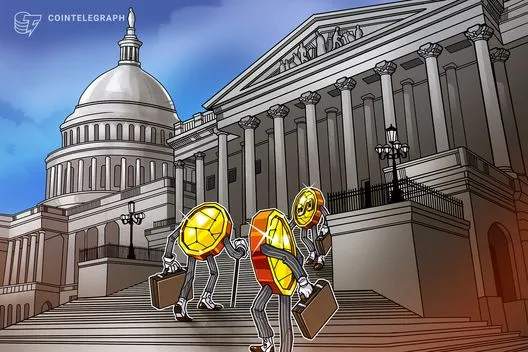
The U.S. can expect a decisive shift in the cryptocurrency landscape as Senators Thom Tillis and Angela Alsobrooks unveil the finalized text of stablecoin yield provisions under the CLARITY Act. This legislative milestone could significantly impact the regulatory framework surrounding stablecoins, a development that stakeholders have been keenly anticipating.
Galaxy Digital’s head of research, Alex Thorn, cautions that the release of these finalized rules may exacerbate existing tensions between the banking sector and the burgeoning crypto industry. He forecasts an increased pushback from banks, worried about maintaining their competitive edge.
"It’s time to get CLARITY done," remarked Faryar Shirzad, the chief legal officer at Coinbase, emphasizing the urgency felt within the crypto community. The new provisions are designed to reconcile a longstanding dispute about whether stablecoin yields could undermine the traditional banking system. While banks have succeeded in imposing more stringent restrictions on potential rewards for users, Shirzad asserts that the core objective—allowing Americans to earn rewards through genuine crypto activities—has been safeguarded.
According to the document titled “SEC 404. Prohibiting interest and yield on payment stablecoins,” cryptocurrencies will not be permitted to offer any form of interest merely for holding stablecoins, which would resemble bank deposit accounts. This prohibition means that financial yields will only be accessible through “bona fide activities.” The ruling has drawn mixed reactions from industry leaders; some, like Helius Labs CEO Mert Mumtaz, lament the defined limitations on obtaining risk-free yields.
As discussions continue, trader sentiment on the Polymarket platform indicates a 55% probability of the CLARITY Act being enacted by the end of 2026, reflecting increased optimism after the yield guidelines were published.
Coinbase’s CEO, Brian Armstrong, echoed this sentiment with a call to action: “Mark it up,” urging for further legislative progress. Insights from Thorn suggest that the Senate Banking Committee may convene to mark up the bill as soon as the week of May 11, leading to a pivotal moment that could advance the bill toward finalization.
Senator Bernie Moreno has expressed confidence that the CLARITY Act will hopefully be resolved by month’s end, while Senator Cynthia Lummis previously noted, “It’s now or never.” The landscape of U.S. cryptocurrency regulation lurks on the precipice of change, signaling a ‘go-time’ for the CLARITY Act.
As the debate unfolds, the outcome will not only determine the future of stablecoins in America, but also set significant precedents for how the evolving relationship between cryptocurrency and traditional financial institutions is navigated.
Source: Cointelegraph